Blog Post
7 Natural Ways to Get Immediate Relief From Stress and Anxiety
Wellness
March 3, 2025
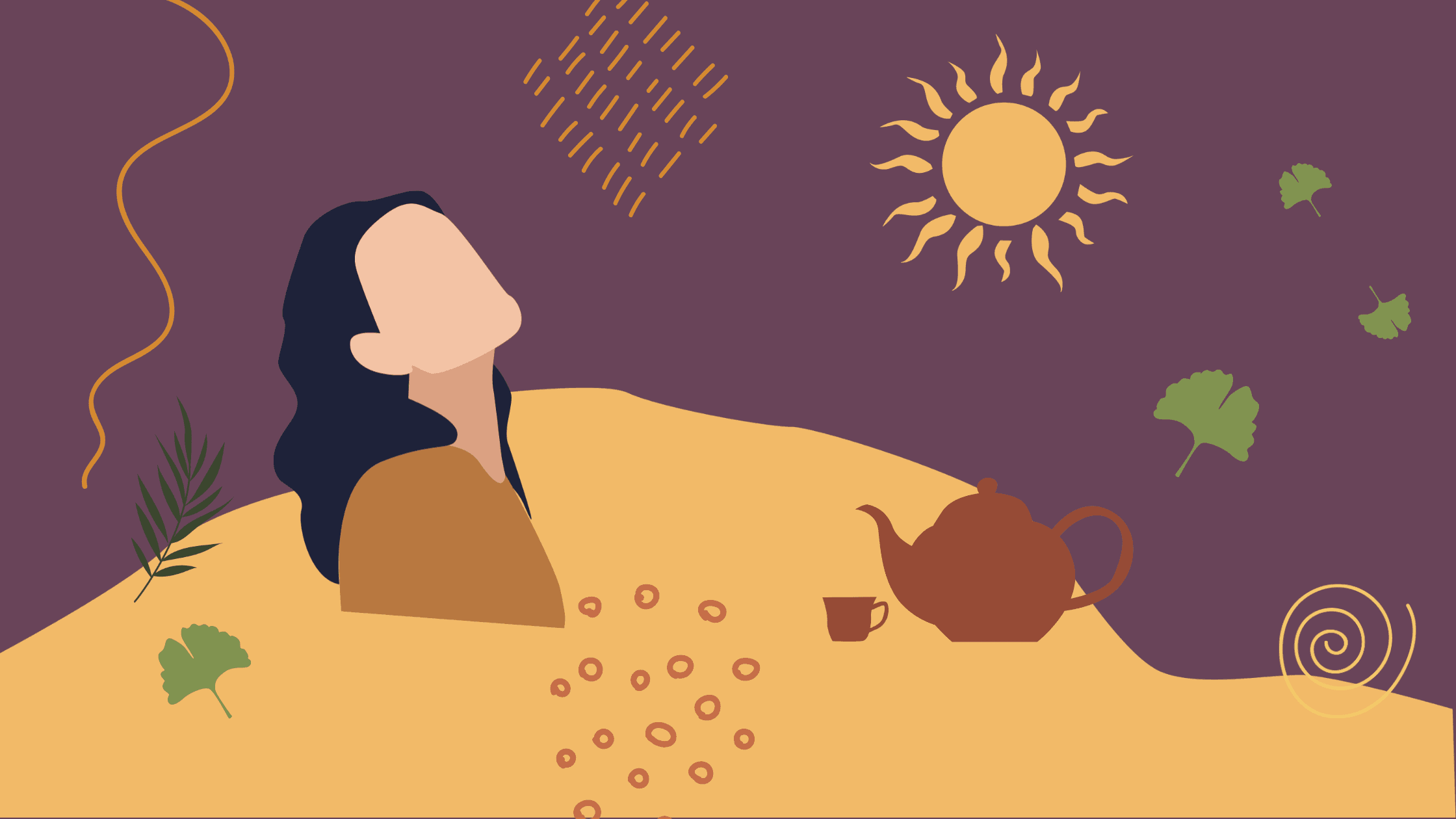
When you’re feeling stressed or anxious, it’s easy to forget that you have agency over your emotions.
Fortunately, nature gives us lots of options that are free or low-cost, safe and highly effective. Take water for instance. Being dehydrated can exacerbate stress and anxiety, making it harder for your brain and body to function properly. Simply drinking a glass of water can help restore balance, improve mental clarity, and calm your nervous system.
It’s important to acknowledge that we are living through unprecedented times. Many of us are dealing with very high levels of stress and anxiety. Getting support and the appropriate care you need is vital. That may mean therapy, mental health support or even medical care. Please be sure to seek out the appropriate care for your particular situation.
The practices below are simple, adaptable and super effective, providing immediate relief for your mind and body.
1. Get 5 Minutes of Sun
The sun is a powerful mood booster. Spending just a few minutes in sunlight can improve your mood and calm your mind. Exposure to natural sunlight increases serotonin levels, a neurotransmitter associated with feelings of well-being and happiness. Plus, it gives your body a dose of Vitamin D.
A quick break outside helps regulate your circadian rhythm, reducing stress and promoting better sleep. Even if there’s no bright sunlight, getting outdoors into natural light can help get you into a calmer, more balanced state. If you can’t get outside, try getting near a window or skylight for a light break.
2. Touch Grass
Connecting with nature, even in small ways, can be soothing for the nervous system. Studies show that simply touching or tending to a plant can lower cortisol levels, the hormone associated with stress. The same effect has been shown for interacting with animals.
The act of nurturing a living thing fosters a sense of grounding and calm, bringing you back to the present moment. This can be a potted plant at home or a tree in a park. If you don’t have a pet, try asking a neighbour or visiting a rescue centre.
3. Move Your Body
Physical movement is one of the single most effective ways to reduce stress. Whether you go for a walk, do some gentle stretching, or engage in more vigorous exercise, moving your body releases endorphins, the body’s natural mood boosters.
Movement also stimulates the vagus nerve, which plays a key role in calming the nervous system. Simple movements can have big impacts, especially if you sync your breath as you move.
4. Lay Down for 5-15 Minutes
Sometimes, intentional resting is the answer. Taking time to rest is a powerful way to reset your body and mind. Even short periods of lying down in a quiet space can activate the parasympathetic nervous system, which promotes relaxation and lowers heart rate. You may want to try using rest time for deep breathing or listening to calming music.
5. Drink Herbal Tea
Herbal teas, especially chamomile, lavender, or peppermint, are known for their calming properties. Chamomile, in particular, has been shown to reduce anxiety symptoms due to its mild sedative effects.
When the aim is to reduce stress, non-caffeinated beverages are preferable. Coffee is a stimulant and not ideal for helping the body into a calm state. Herbal tea is hydrating and can help improve sleep without disrupting your sleep cycle. Coffee, on the other hand, can cause energy spikes and crashes which work against inducing relaxation.
If you make it yourself, the ritual of making tea also gives you a mindful break from stressors, allowing you to focus on self-care.
6. Listen to Nature Sounds
Listening to the sounds of nature has an immediate impact on reducing stress. Whether it’s the sound of ocean waves, birdsongs or crackling fire, nature sounds can lower cortisol levels and slow the heart rate, helping you feel more grounded and at ease. Simulated sounds work as well. A Soft Murmur is a site that lets you configure ambient sounds to play while you’re using your computer.
Alternatively, calming music like the handpan, singing bowls or gentle piano is also helpful.
7. Write It Out
Writing down your thoughts and feelings can be a very effective way to release stress. Journaling helps you process emotions and organize your thoughts, creating a sense of relief and clarity.
Research suggests that expressive writing can lower anxiety, reduce rumination, and even improve immune function. For immediate relief, try writing out the issue that’s causing you stress. Make a list of all the ways that it’s impacting you. Notice if you sense a shift after writing it down.
To build a habit of writing, try using a 5-minute timer or filling one page with a single affirmation.
PRO Tip: Be Intentional
No matter which activity you choose, approaching it with intentionality will optimize the experience and amplify your results. You may need to try several of these methods until you find what works best for you. In every instance, be clear that your reason to practice is for letting go of the stress and anxiety in that moment.
+2 bonuses inside ⤵
Free Download
Yoga for
Stress & Anxiety
A 20+ page guide with 7 simple, potent practices to relieve stress and soothe anxiety. Includes a bonus audio meditation 🎧